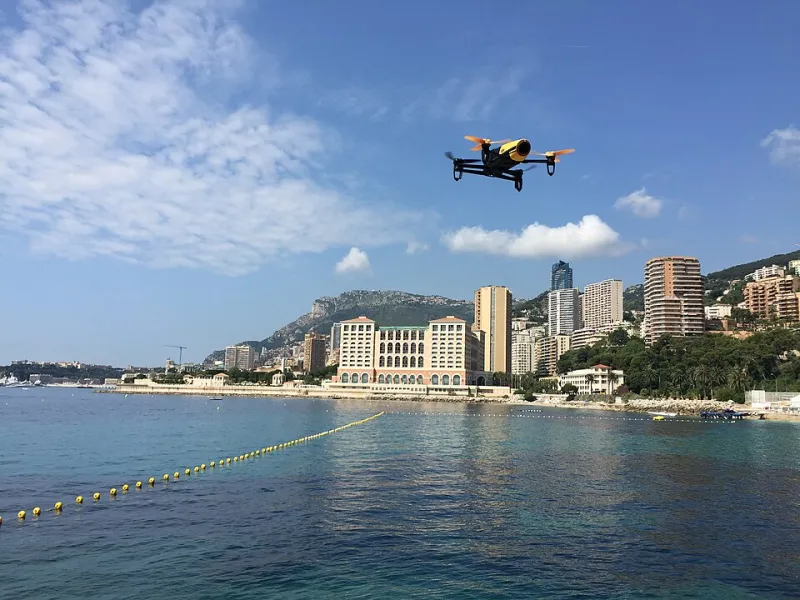
Wet Boots, Dry Electronics: A Boat-Based Drone Workflow for UK Coastal Pilots
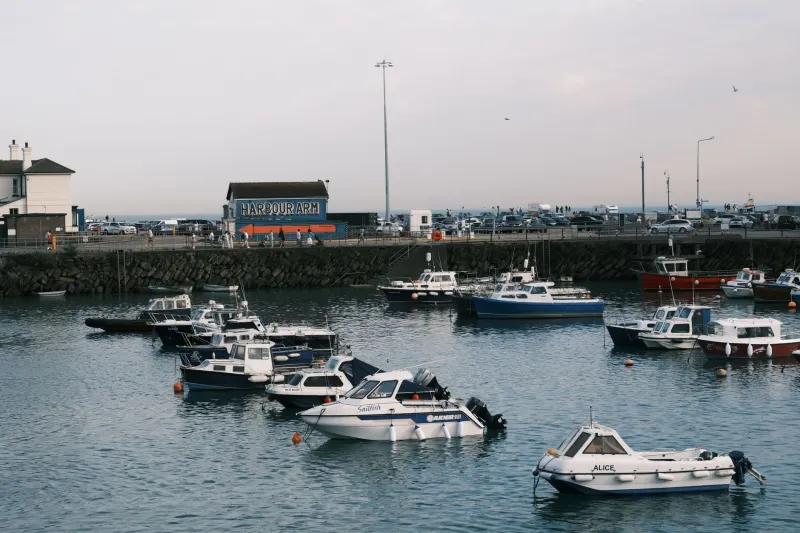
Flying from a boat sounds like the easy version of a coastal shoot. No cliff path, no gate code, no farmer giving you the side-eye. Then the tide turns, the deck tilts, and your landing pad becomes a moving target with an outboard attached. Boats are brilliant launch platforms, but only if you treat them as a separate discipline rather than a wet car park.
Start with the skipper and the harbour, not the drone
Before you charge batteries, work out who is in charge of what. On a charter, the skipper runs the vessel and you run the flight. That sounds obvious until the first recovery, when everyone has an opinion and nobody is watching the ferry lane.
Harbour authorities are the first phone call. Many UK harbours and marinas have byelaws or local rules covering drone launching, landing and commercial filming, and a public slipway is not automatically a free-for-all. Ask the harbour master what they expect. If you are working commercially, say so, and be ready to share a risk assessment and proof of insurance. Marinas may also have views on where you set up your case and whether you can block a pontoon.
Check local notices to mariners, port exclusion zones, nature reserve restrictions and any temporary airspace notices. The CAA framework still applies over water: keep the drone in visual line of sight, respect the distance limits, avoid crowded areas and make sure your Operator ID and Flyer ID are in order. A boat does not move you into a legal bubble.
Pick a window that respects tide, wind and wash
The best boat-based flights usually happen in boring conditions. Slack water is your friend. Wind over tide can turn a calm-looking harbour into a washing machine, and a passing ferry can send wash through a berth long after the obvious boat has gone.
Look at tide tables, wind forecasts and gust spread together, not separately. A 12 mph wind is one thing on land; on deck it can feel very different once the boat swings and the apparent wind picks up. If the vessel is moving, your drone is dealing with a launch platform that is also a navigation hazard. For most pilots, the sensible routine is to launch and recover with the boat stopped, moored or anchored in a safe spot, and to fly manually rather than trusting a return-to-home point that may now be somewhere near France.
Light matters too. Coastal haze can flatten detail, and low sun over water creates glare that makes framing and obstacle spotting harder. Morning and late afternoon can be beautiful, but they are also when you are most likely to be squinting into the sun while a lobster pot buoy sneaks into your descent path.
The launch and recovery dance
Give yourself more space than you think you need. Clear the deck, secure loose straps and bags, and brief anyone on board about what will happen. One person should fly; another should watch the airspace, boat traffic and the deck. If nobody can do that, keep the flight short and simple.
Launch from a stable, flat surface if the drone and deck allow it. Hand launching is possible with some smaller aircraft, but hand catching is a skill with a sharp learning curve and a very direct feedback mechanism. Only do it if you have practised, the manufacturer permits it and the person catching is confident. Otherwise, use a landing pad that will not slide, and bring the drone down into wind with a clear approach.
Recovery is where good days go wrong. Stop the engine if the skipper agrees. Keep people away from the props. Do not grab at a drifting drone. If the boat is rocking, hover, reassess and wait for a calmer moment rather than forcing a landing because the shot is nearly done.
Saltwater is not a metaphor
Salt finds every port, screw and motor bearing. A dry bag is not enough on its own. Build a small deck kit: microfibre cloths, fresh-water wipes for the shell, a soft brush, spare props, a landing pad, lanyards and a dry case for batteries and memory cards. Keep the case closed when you are not using it, and do not change lenses or cards on an exposed deck if you can avoid it.
After the flight, wipe down the airframe and controller with a damp cloth using fresh water, then dry everything thoroughly before it goes back in the bag. Do not blast water into motors or gimbal joints. Check battery contacts and ports for grit or moisture, and let everything come up to room temperature before charging. If your kit has been in sea air all day, a desiccant pack in the case is cheap insurance.
Rules that do not stop at the shoreline
Over water, the usual CAA rules still shape the flight, but maritime common sense joins in. Do not interfere with vessel traffic. Keep clear of marked channels, working boats and ferry routes. Wildlife is another factor: seals, seabirds and protected sites do not care about your shot list, and chasing them is not acceptable.
Insurance deserves a proper check. Ask whether your policy covers launches from a vessel, flights over water and commercial work from a boat. If the answer is vague, assume the claim will be vague too. For survey work, think about data protection and client confidentiality as well as the flight itself.
When the sensible answer is no
If the wind is building, the deck is crowded, the tide is running hard or the harbour is busy, do not launch. A dry drone on shore is a better outcome than a wet one in the bilge. Boat-based flying rewards patience and a short checklist, not bravado. Get the permissions, pick the window, keep the kit dry and leave the heroics for the edit.