The Sensible £500 Flight Bag: A UK Drone Kit That Plays by the Rules
A £500 drone budget can disappear in about four clicks. You start looking at a compact camera drone, drift into a bundle with a case and extra props, add a filter set because the thumbnail looked good, and suddenly you are wondering whether a second battery counts as a household essential.
The better approach is to build a flight bag, not a wish list. The goal is a kit you can grab when the wind drops and the light goes copper, with enough redundancy for a muddy field in November and enough awareness of UK rules that you are not treating a sub-250g drone as a law-free toy.
Start with a sub-250g aircraft, then budget for reality
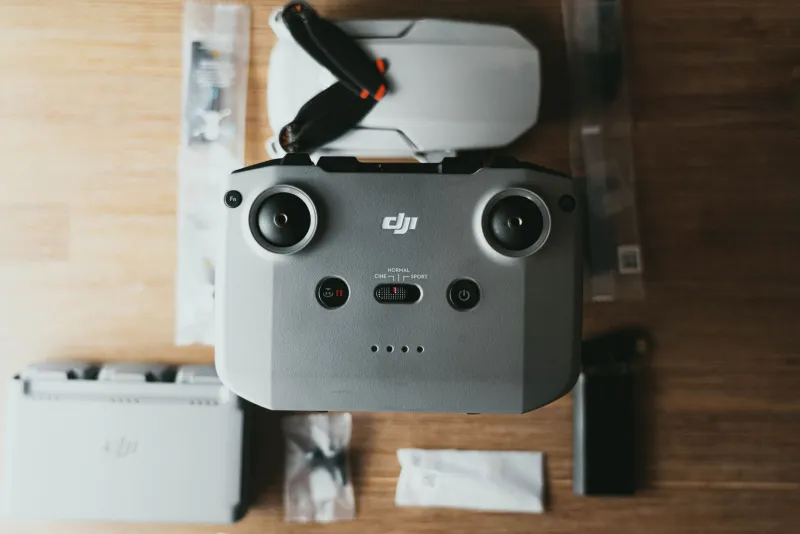
A Mini 4K-class drone, or a clean refurbished sub-250g model from a reputable UK dealer, is the sensible anchor. Expect to spend around £270–£320. That leaves money for the things that actually decide whether a morning works: spare power, storage, filters, a landing surface and a checklist you will genuinely use.
Sub-250g is the sweet spot for UK hobbyists and semi-pros because it reduces regulatory friction, not because it removes rules. If the drone has a camera, you will still need an Operator ID, and a Flyer ID where required. You still fly under the CAA Drone Code: visual line of sight, no higher than 120m, never over crowds, and a proper look at airspace restrictions before launch. Small does not mean exempt.
The kit list: where the money actually goes
- Sub-250g camera drone — around £280. Buy from a UK retailer or a dealer with a clear warranty. Check that batteries are available and that the controller charges over USB-C.
- One spare battery — around £55. UK mornings are cold, and cold cells sag faster. One spare turns a rushed ten-minute flight into a relaxed session.
- ND filter set — around £25. Not a legal requirement, but low UK sun and bright cloud can blow out highlights. A 4-stop and 8-stop pair covers most aerial imaging.
- Hi-vis landing pad — around £15. Wet grass, mud, gravel and sheep droppings are the real enemies. A bright pad also makes launch and recovery visible to anyone nearby.
- 64GB microSD card — around £12. Buy a known brand with a U3 rating. Format it in the drone, not on your laptop.
- 20,000mAh power bank — around £20. Charges the controller, phone and sometimes the drone batteries if you have the right cable. A flat controller ends the day early.
- Spare props — around £10. Props are consumables. Keep a set in the bag and check them before every flight.
- Compact padded case — around £25. A hard case is nice; a padded bag you will actually carry is better. It should fit the controller, two batteries and the landing pad without crushing the gimbal.
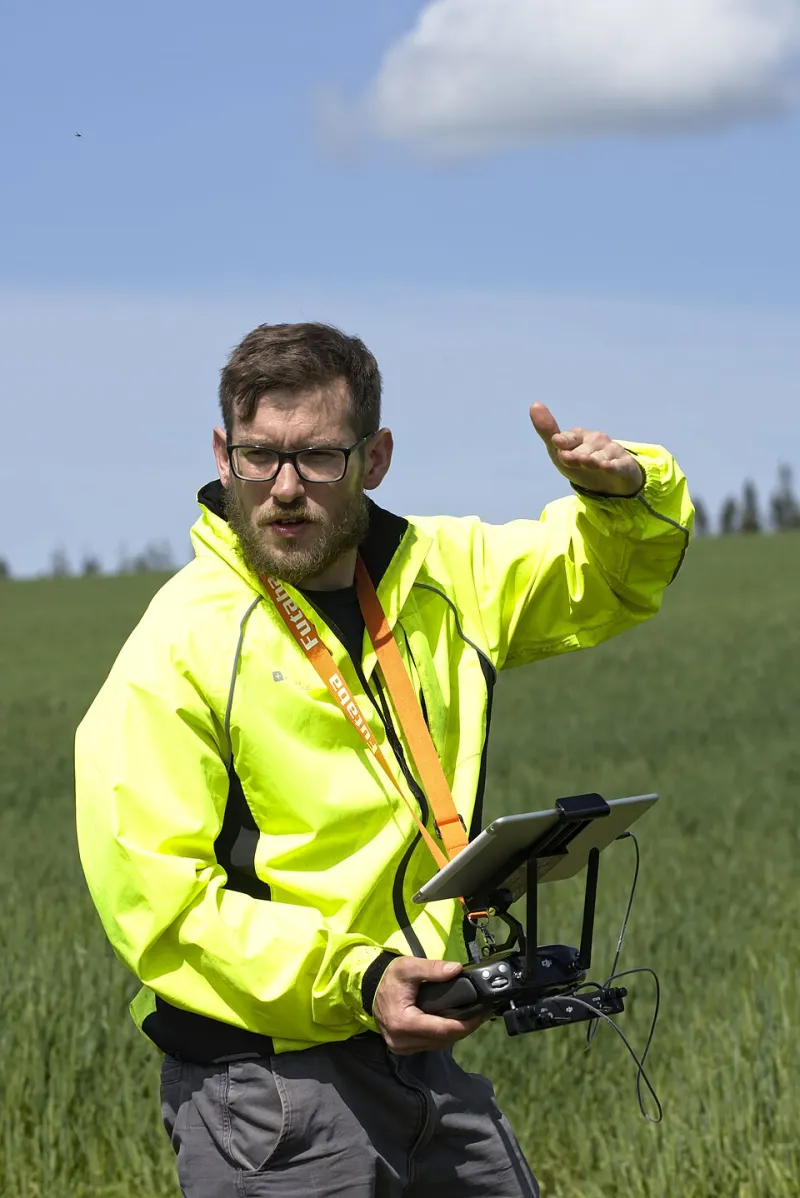
- Hi-vis vest — around £8. If you are flying on someone else's land, looking like a competent person helps. A vest, an ID badge and a clipboard go a long way with a farmer.
- Printed and laminated checklist — £1–£2. Print it at home or the library, laminate it, and keep it in the bag. More on this below.
- Public liability insurance — from around £30. Not always legally required for hobby flying, but landowners often ask. If you are flying commercially or regularly on private land, treat it as part of the kit.
That lot comes to roughly £480–£490 depending on where you shop. Add the small annual CAA Operator ID fee and you are still close to the £500 mark if you resist the upsell.
What to skip
Skip anything sold as a drone licence. The CAA does not issue a general drone licence from a lookalike website, and a PDF certificate from an unofficial site will not impress a landowner or an enforcement officer.
Skip propeller guards unless you are flying indoors or close to people. They add drag, weight and windage. Skip the giant aluminium case if you mostly walk to local spots; it will stay in the cupboard. Skip no-name ND filters that colour-shift your footage, and skip a second drone before you have properly learned the first one.
Most of all, skip the idea that the aircraft is the whole kit. The £500 bag works because the cheap bits solve real UK problems: damp grass, cold batteries, low sun, muddy boots and a landowner who wants to know what you are doing.
The checklist that earns its place
A printed pre-flight checklist is the cheapest safety upgrade you can make. Laminate one and keep it in the bag. It should include:
- Airspace check via NATS Drone Assist or a similar UK source, including flight restriction zones and NOTAMs.
- Weather and wind check, with a sensible gust limit for the aircraft.
- Permission check if you are on private land or near a sensitive site.
- People, livestock and vehicles in the launch area.
- Battery levels for drone, controller and phone.
- Props secure, gimbal free, SD card inserted.
- Home point set, return-to-home altitude checked.
- Visual line of sight confirmed, and a landing plan.
- Post-flight: power down, inspect props, note any issues.
The checklist is not bureaucracy for its own sake. It is how you avoid the classic UK drone morning: a beautiful sky, a dead controller, a missing SD card and a landowner walking over to ask why there is a buzzing thing above the sheep.
The £500 rule
The best budget kit is not the one with the most accessories. It is the one you can use legally, confidently and repeatedly. Spend on the aircraft, one spare battery and a reliable card. Add the hi-vis pad, filters and checklist because they solve actual problems. Then put the rest towards insurance, fuel and a flask.
The £500 hangar does not need to be impressive. It needs to be ready.