Grey Skies, Stiff Gusts: A Wet-Weather Drone Workflow for the UK
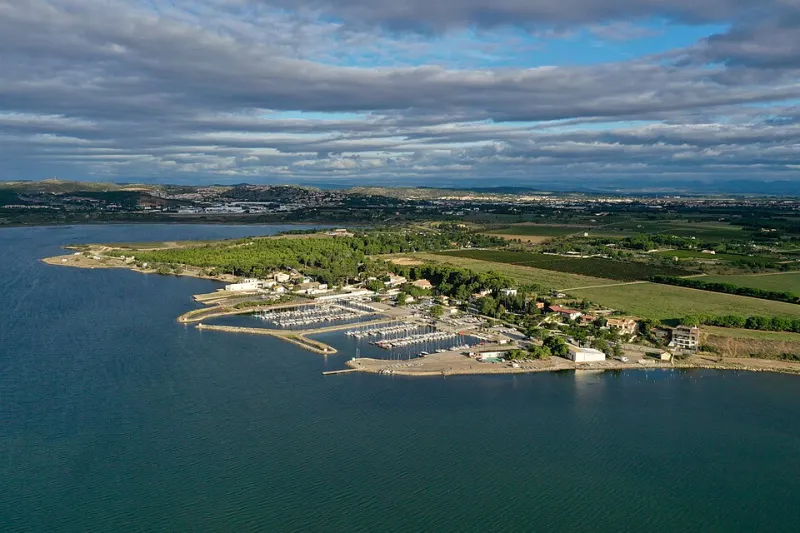
Photo: Lothur, CC0, via Wikimedia Commons
Wet weather is a planning problem, not a flying problem
By the time you are standing on a coastal path with rain on your lens, the flight has already been decided. That is the first lesson of UK drone photography in late 2026. Autumn and winter here do not always look dramatic. Often they look like a flat grey lid over a muddy field. But the best bad-weather shots come from pilots who planned around the conditions instead of pretending they could outfly them.
The good news is that grey skies can be gorgeous. Diffused light flatters woodland, wet sand reflects what little sky there is, and moorland looks properly moody when the cloud sits low. The trick is to treat wet weather as a workflow: forecast, kit, launch, fly, retreat, process. Skip a step and the day gets expensive.
Read the sky before the app
Start with the official picture. The Met Office gives you the broad brush, but for aviation-style detail look at METAR reports from a nearby airfield and the TAF trend. You do not need to be a commercial pilot to use them. You just need to understand the basics: wind direction and speed, gust spread, visibility, cloud base and whether the trend is improving or closing in.
Gust spread is the number most drone apps bury. A steady 15 mph wind is one conversation. A 15 mph wind gusting 30 mph is a different afternoon entirely. For small aircraft, the difference between average wind and peak gust is often what separates a controlled flight from a wrestling match. Coastal sites add their own drama: an onshore breeze can be smooth on the beach and violent fifty metres up the cliff.
My go/no-go thresholds
These are personal thresholds, not gospel. They will change with the aircraft, the site and how much space you have to recover from a mistake. But for a sub-250g or compact folding drone in exposed UK conditions, I treat sustained wind above 8 metres per second as a warning, and gusts above 11 metres per second as a likely no-go. If the gust spread is wider than 5 metres per second, I want a very good reason to launch.
Rain is simpler. Light drizzle with no driving wind is a judgement call. Wind-driven rain is a no. Fog, low cloud and anything that compromises visual line of sight is a no. Freezing rain, sleet and snow are hard no-gos for most consumer drones. And if I am already asking whether it is safe, the answer is usually no. The walk back to the car is cheaper than the repair centre.
Batteries hate the cold more than the rain
Cold batteries lose voltage faster, which means shorter flights and a higher chance of a sudden low-power warning over exactly the wrong bit of coastline. Keep spare packs warm in an inside pocket or an insulated pouch. Do not charge a freezing battery straight from the car. Let it come up to room temperature first, and watch for condensation when you move from a cold hillside into a warm cafe.
Land with a reserve. In mild weather I might push a battery to 25 per cent. In winter wind, I want closer to 30 per cent, and I want that reserve to be usable against a headwind on the way home. Check individual cell voltages before take-off. A pack that looks fine on the percentage readout can still be unbalanced and unhappy.
Gimbals, lenses and the wet-weather kit
No consumer drone is truly waterproof, whatever the IP rating suggests. A rain cover helps, but it does not make the aircraft submersible or immune to salt spray. A lens hood, a microfibre cloth and a blower are basic. A dry bag and a couple of silica packs are smarter than they sound. If the drone comes back wet, do not retract the arms straight away and do not pack it into a sealed case while it is still damp.
For low winter sun, ND filters are still useful. A two-to-four-stop ND can help you keep a sensible shutter speed for video without stopping down the lens into diffraction. A polariser can cut glare from wet sand and water, but do not over-filter a flat grey scene into mush. Sometimes the better move is to expose for the sky and let the foreground go dark and graphic.
Coastal and moorland shoot checklist
- Check tide times, wind direction and the walk-in route before you leave.
- Look at the launch and landing zones for cliff edges, soft sand and crowded paths.
- Carry a rain cover, lens cloth, dry bag and insulated battery pouch.
- Keep spare batteries warm and land with a winter reserve.
- Watch for wildlife disturbance, nesting season and livestock on moorland.
- Tell someone where you are going, especially on moorland with patchy phone signal.
- Have a retreat plan for sudden rain, low cloud or a crowd arriving.
Coastal flights add salt, spray and updrafts. Moorland flights add bog, sheep and weather that arrives faster than the forecast suggests. Both reward a small, slow, deliberate flight over a long, ambitious one.
Post-processing for flat grey skies
Grey skies are not a post-processing emergency. Shoot raw if you can. Expose to the right without clipping the brightest part of the cloud, then bring the scene back in editing. A gentle dehaze can add shape to distant hills, but too much turns everything crunchy. Use local contrast sparingly, keep white balance neutral, and let the muted palette do some of the work.
If the colour is truly lifeless, try black and white. Wet rock, bare trees and low cloud often look better in monochrome than they do in a half-hearted colour edit. For video, resist the urge to crank clarity and saturation. A soft, low-contrast grade can feel far more British than a fake sunset.
The retreat plan matters as much as the shot
Abandon the flight if gusts start pushing the drone off its hover, if rain begins to streak the lens, if low cloud cuts visibility or if people arrive in the space you had planned to use. A wet-weather shoot is not a test of endurance. It is a series of small decisions, and the best pilots are the ones who make the boring one early.
Pack a towel. Keep the car keys dry. Leave the scene as you found it. Then go home, dry the kit properly and edit with the heating on. The UK winter will offer another grey sky tomorrow.