The Camera Never Blinks: Privacy, Paperwork and Post-Flight Data Housekeeping for UK Drone Pilots
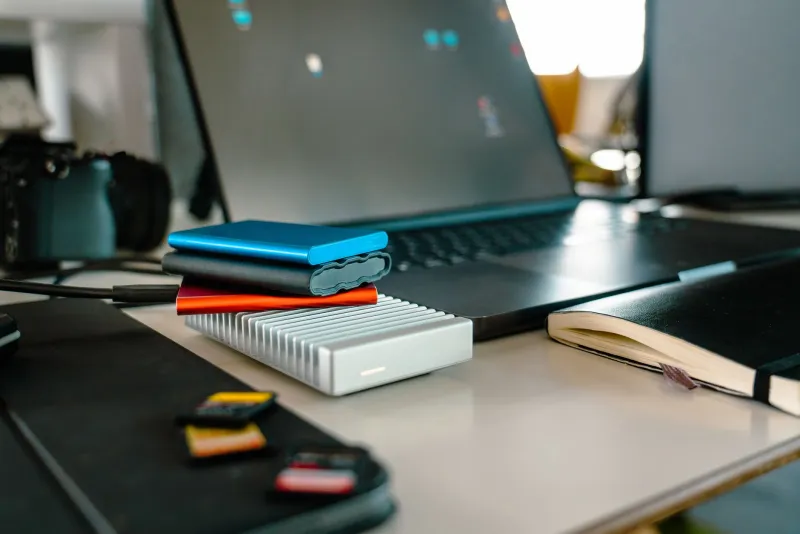
There is a moment after every commercial drone job when the memory card comes out and the real work begins. The flight is done, the client is happy, and the footage looks lovely. But somewhere in those files are faces, number plates, back gardens and front doors. That is not just footage. In UK data protection terms, it can be personal data, and it comes with duties that do not switch off when the drone lands.
This is not about turning every pilot into a lawyer. It is about building a few sensible habits so you can take the job, deliver the images and clear the card without wondering whether you have accidentally become a data protection incident.
First, stop saying 'we have got consent'
Consent is the great myth of drone work. Plenty of pilots assume that because someone waved at the drone, or because the client said it was fine, everything is covered. Sometimes that is true. Often it is not.
Under the UK GDPR and the Data Protection Act 2018, consent has to be freely given, specific, informed and unambiguous. A wave at a camera is none of those things in any reliable sense. Neither is a client saying 'the landowner is fine with it' when the landowner has not been told what the footage will be used for, who will see it, or how long it will be kept.
There is also a more basic point: consent is only one lawful basis for processing personal data. You do not always need it. If you are filming a building survey and a person happens to walk through the frame, you are not required to chase them down the street with a consent form. You need to think about whether the image identifies them, whether you actually need to keep that frame, and what your lawful basis is for the processing.
For many commercial jobs, legitimate interests may be the better fit, provided you have done a proper assessment and can show the processing is necessary and balanced. Public task can apply in some contexts. Consent is useful for things like using a recognisable person in promotional material, but it is a poor foundation for every flight you ever operate.
Property is not the same as people
A photo of a roof is not usually personal data. A photo of a roof with a person visible in the garden, or a car with a readable registration, can be. The line is identifiability, not whether the subject is a person or a building.
That matters for UK drone work because so much of it involves residential areas, farms, estates and commercial premises. You can photograph a property for a client without needing a model release from the bricks. But you should still think about privacy expectations, especially where the camera can see into gardens, windows or private land.
Good practice is simple: fly the job you were booked to fly, frame the subject, and avoid capturing more of neighbouring property than you need. If the client asks for a wide shot that sweeps across nearby homes, ask why. If the answer is 'it looks better', that is not a data protection reason.
Who is holding the controller's clipboard?
In data protection language, the controller decides why and how personal data is processed. The processor acts on the controller's instructions. Drone pilots can be either, depending on the job.
If a construction client asks you to capture progress images for its own records, the client may be the controller and you may be a processor. If you are filming a village event and then selling selected images to several outlets, you are much more likely to be the controller. If you and the client both decide how the footage is used, you may be joint controllers.
This is not academic. It affects who answers a subject access request, who writes the privacy notice, who decides retention, and who handles a complaint. Put it in the contract. A short clause that says who is responsible for what is worth more than a folder full of vague assurances.
The privacy notice that fits in a flight bag
A privacy notice does not have to be a legal epic. It needs to tell people what you are doing with their data in plain English. For drone work, that usually means explaining what you capture, why, who it is shared with, how long you keep it, and how someone can contact you or complain.
You can keep a full notice on your website and a short version for clients to share with site managers, landowners or event organisers. A QR code on a job sheet is not a gimmick if it gets the notice into the right hands. If someone approaches you during a flight and asks what you are filming, you should be able to answer in two sentences without reaching for a legal textbook.
For larger or more sensitive jobs, consider a data protection impact assessment. You do not need one for every rooftop survey, but if you are capturing systematic footage of public spaces, crowded events or residential areas, a short DPIA helps you spot problems before they become complaints.
Contracts, clients and the awkward bit about sharing
Most drone contracts cover deliverables, dates and payment. Fewer cover data. That is a gap worth closing.
Set out what the client can do with the footage, how long they can keep it, and whether you will retain a copy. If you want to use the images in your portfolio, say so and get permission for that specific use. Do not assume a client will be delighted to see their site on your Instagram feed.
When sharing files, use a sensible transfer method rather than a compressed messaging app that leaves copies on everyone's phone. If you are sending personal data, think about access controls and passwords. If a client asks you to keep raw footage indefinitely 'just in case', push back. Indefinite retention is rarely necessary and often harder to justify than people think.
A retention routine that survives a busy month
Retention is where good intentions go to die. A simple checklist is better than a perfect policy nobody follows.
- On ingest, copy footage to your working drive and label it with the job reference and date.
- Separate client deliverables from raw files and anything you do not need.
- Deliver through a secure link or agreed transfer method, then confirm receipt.
- Keep the client copy for the period stated in your contract or privacy notice.
- Delete rejects, duplicated files and anything captured outside the job scope as soon as practicable.
- Clear memory cards after verified backup, not before.
- Review old jobs monthly and delete what has passed its retention date.
- Keep a simple log of what was deleted and when.
If someone makes a subject access request, you generally have one month to respond. If you suffer a personal data breach, you may need to notify the ICO within 72 hours where it is likely to result in a risk to people's rights and freedoms. Those clocks are much easier to meet when your files are organised.
The ten-minute admin habit
Data protection is not a separate job you do after drone work. It is part of the job. Before you fly, know what you are capturing and why. During the flight, avoid unnecessary personal data. After landing, store it sensibly, share it securely and delete it when the time comes.
None of that makes you a bureaucrat. It makes you a professional pilot who can look a client in the eye and explain exactly what happens to the footage. In a crowded UK drone market, that is not just compliance. It is a selling point.